Anchor points are the one part of a building's height safety that tends to get installed and then forgotten. They're bolted to the roof, signed off, and left alone, right up until a window cleaner or roof plumber turns up, goes to clip on, and finds the whole system is out of date.
Recertification is the part that keeps them legal, and it isn't optional. Here's how often it has to happen, what's actually involved, and what it costs you to let it slide.
The short answer: every 12 months
Roof anchor points need to be inspected and load tested every 12 months, in line with AS/NZS 1891.4 and the manufacturer's requirements. That's the case whether the anchors have been worked hard all year or never touched once. The clock runs on time, not on use.
Once those twelve months are up, the system is out of compliance. Any trade that needs to connect to it (window cleaners, roof plumbers, solar installers, maintenance contractors) legally can't, until it's been recertified.
Why test it every year if nothing's changed?
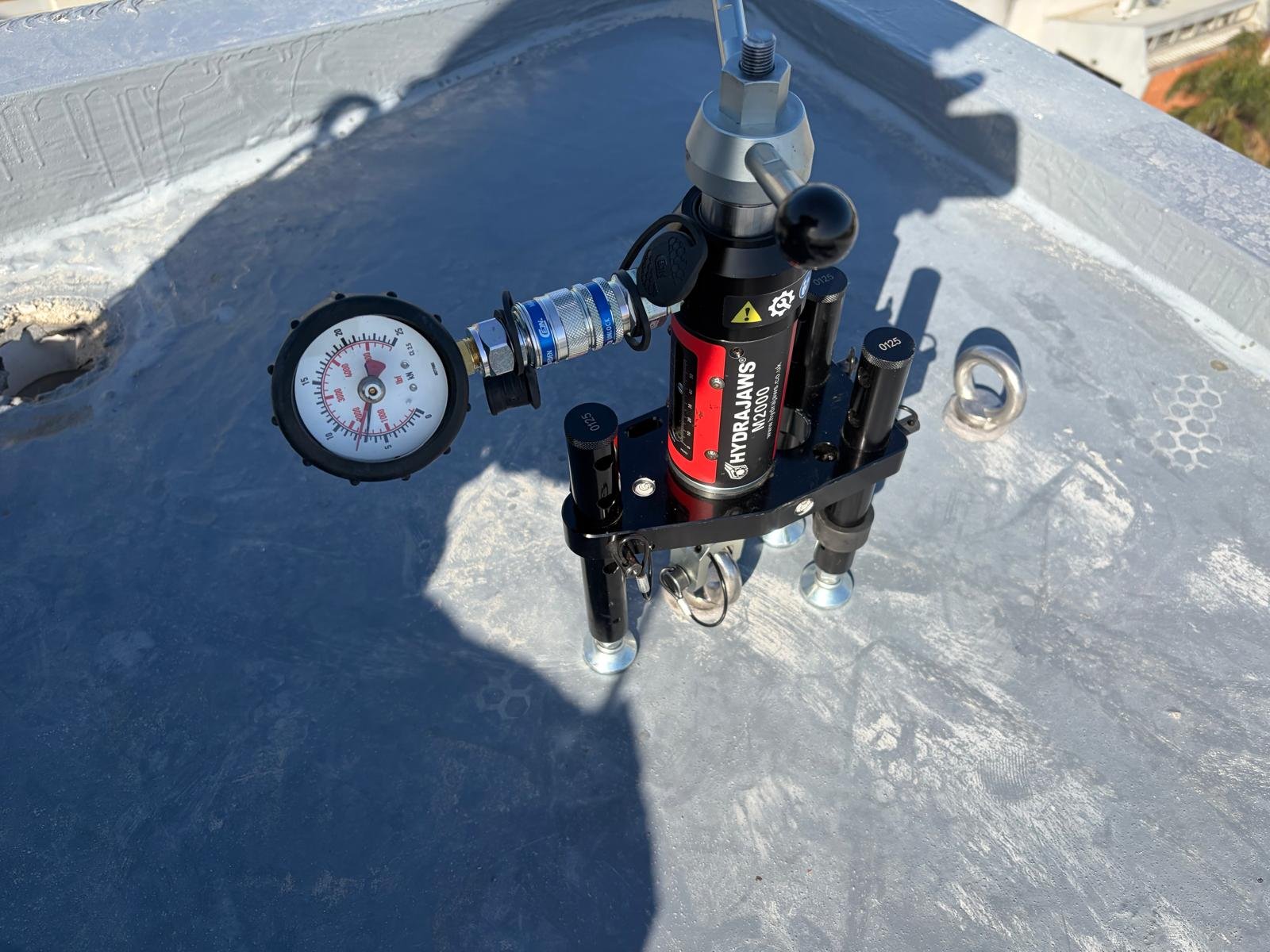
Because plenty changes that you can't see from the ground, or even standing next to it. Anchors live outside in the weather for their whole life. Fixings work loose, coatings break down, corrosion gets into the base or the structure behind it, and the roof sheet or concrete an anchor is fixed to moves and ages too.
An anchor can look perfectly fine and still fail a load test. That's the entire point of testing rather than just looking. It's life-safety equipment, and the only way to know it will hold is to pull on it properly.
What recertification actually involves
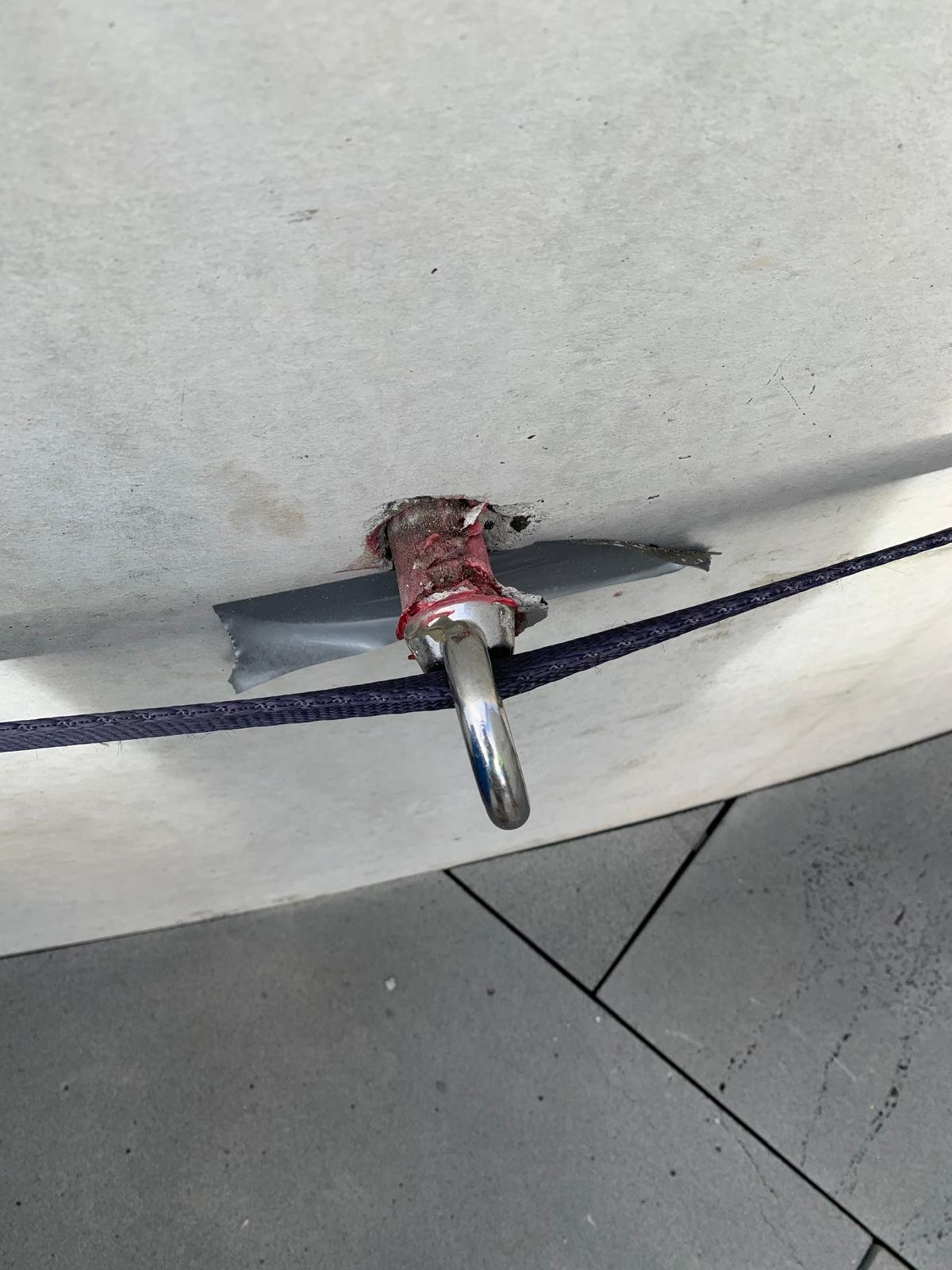
A proper recertification is more than a walk around the roof with a clipboard. It covers every anchor on the building, one at a time. Each one gets a load test with calibrated equipment, not a tug by hand, along with a close visual check of the anchor, its fixings, and the structure it's mounted to.
Anything that fails is tagged out of service on the spot, so nobody connects to it, and quoted for repair or replacement. The same goes for any static lines, walkways or guardrails that form part of the system.
What you get at the end
The deliverable is a report you can actually use, not a sticker and a handshake.
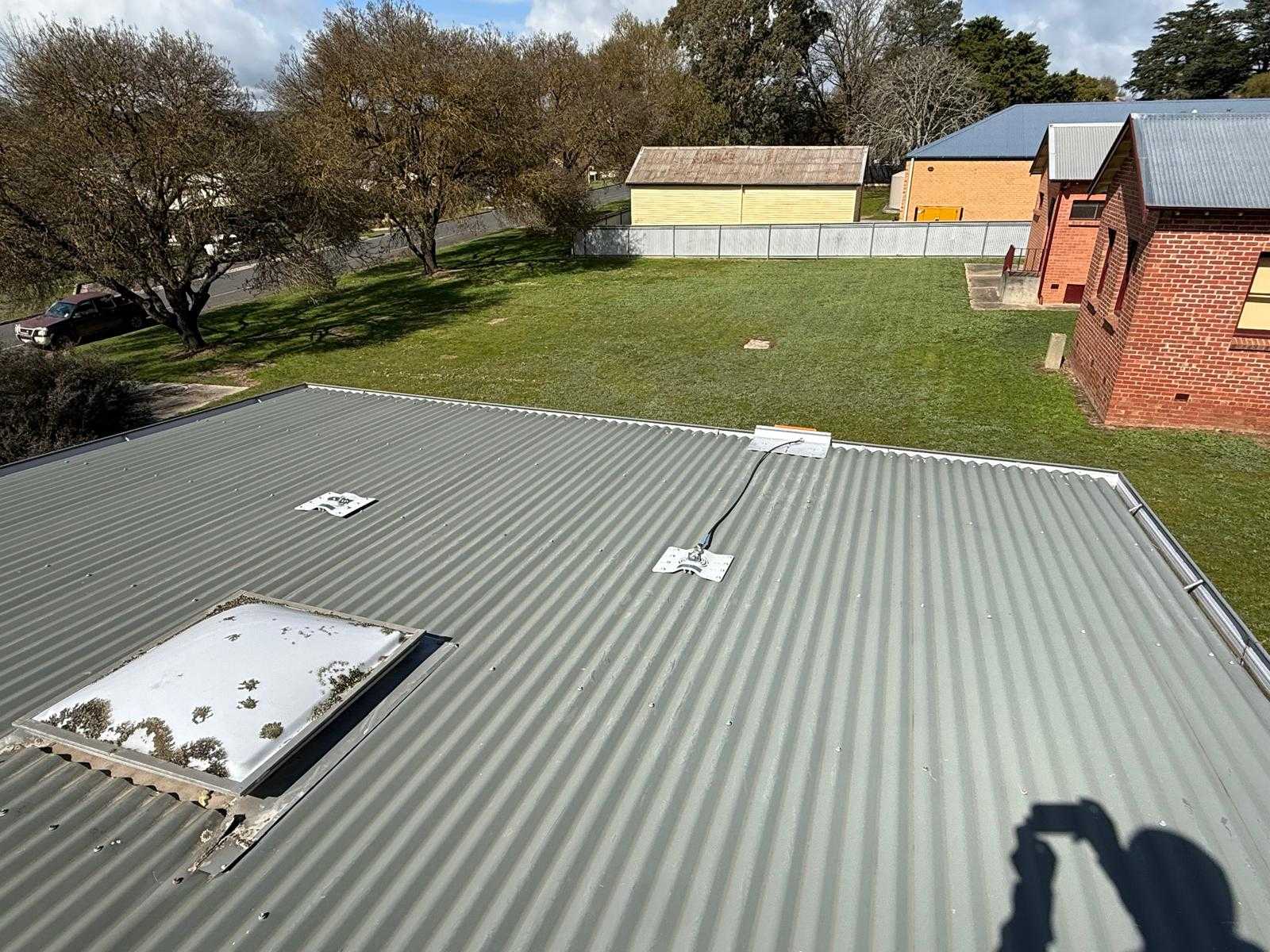
A digital report with an asset register of every anchor on your building: individual pass or fail results, load test figures, and photos.
Every anchor physically tagged on the roof with its inspection date, so the next contractor up there can see at a glance what's current.
A certificate of compliance for your records, and a reminder before it falls due again, so the building never quietly drops out of compliance.
What it costs you to skip it
An expired system isn't a paperwork problem, it's a real one. The first thing that happens is work gets held up: the window cleaner or roofer arrives, can't legally connect, and walks off site. Now you're rebooking trades and wearing the delay.
The liability for an uncertified system sits with the building.
The bigger issue is who carries the risk. If the anchors aren't certified and someone works off them anyway, or worse, is hurt doing it, that sits with the building owner or owners corporation. "We didn't know it had lapsed" isn't a defence. Keeping the system current is about the cheapest insurance a building has.
It doesn't matter who installed them
You're not locked in to whoever put the anchors in. We inspect, load test and recertify existing systems regardless of the brand or who installed them: Kattsafe, SafetyLink and the rest. If your original installer has moved on or gone under, we can pick up the annual program and keep it running so nothing falls through the cracks.
One more thing: the standards changed
It's worth knowing the key standards in this area were updated in 2025. If your anchor documentation goes back several years, the paperwork may reference superseded requirements even where the hardware itself is sound. A recertification is a sensible time to get everything back onto current standards.
And if the question you're really asking is whether your existing anchors can even be used for the work you've got planned, that's a separate issue. We covered the difference between fall arrest and rope access anchors in a separate article.
At Hayes Height Services we install, test and certify anchor systems across Melbourne, and we work off them ourselves every day on rope access, so we test them the way someone who trusts their life to them would want them tested. If you're not sure when your anchors were last certified, or whether they're still current, send us the building address and roughly how many anchors you've got, and we'll sort it.